Building a High-Performance Next.js 15 Micro-SaaS: The Blueprint for a Saleable CMS
Building a High-Performance Next.js 15 Micro-SaaS: The Blueprint for a Saleable CMS
In 2026, the digital landscape is saturated with generic templates. If you want to build a Next.js full-stack application that sells for thousands of dollars on platforms like Acquire or Flippa, you cannot just offer a "frontend and a dashboard." You need to offer efficiency, speed, and AI-native architecture.
Whether you are a developer in a labor camp or a high-rise office, the code is the great equalizer. Here is how to build a Micro-SaaS CMS that is engineered for an immediate exit.
Related Resources for Mastery:
1. The Tech Stack: Engineering for Scalability
To sell a product, your stack must be modern and maintainable. Buyers look for:
Framework: Next.js 15 (App Router) with Server Actions.
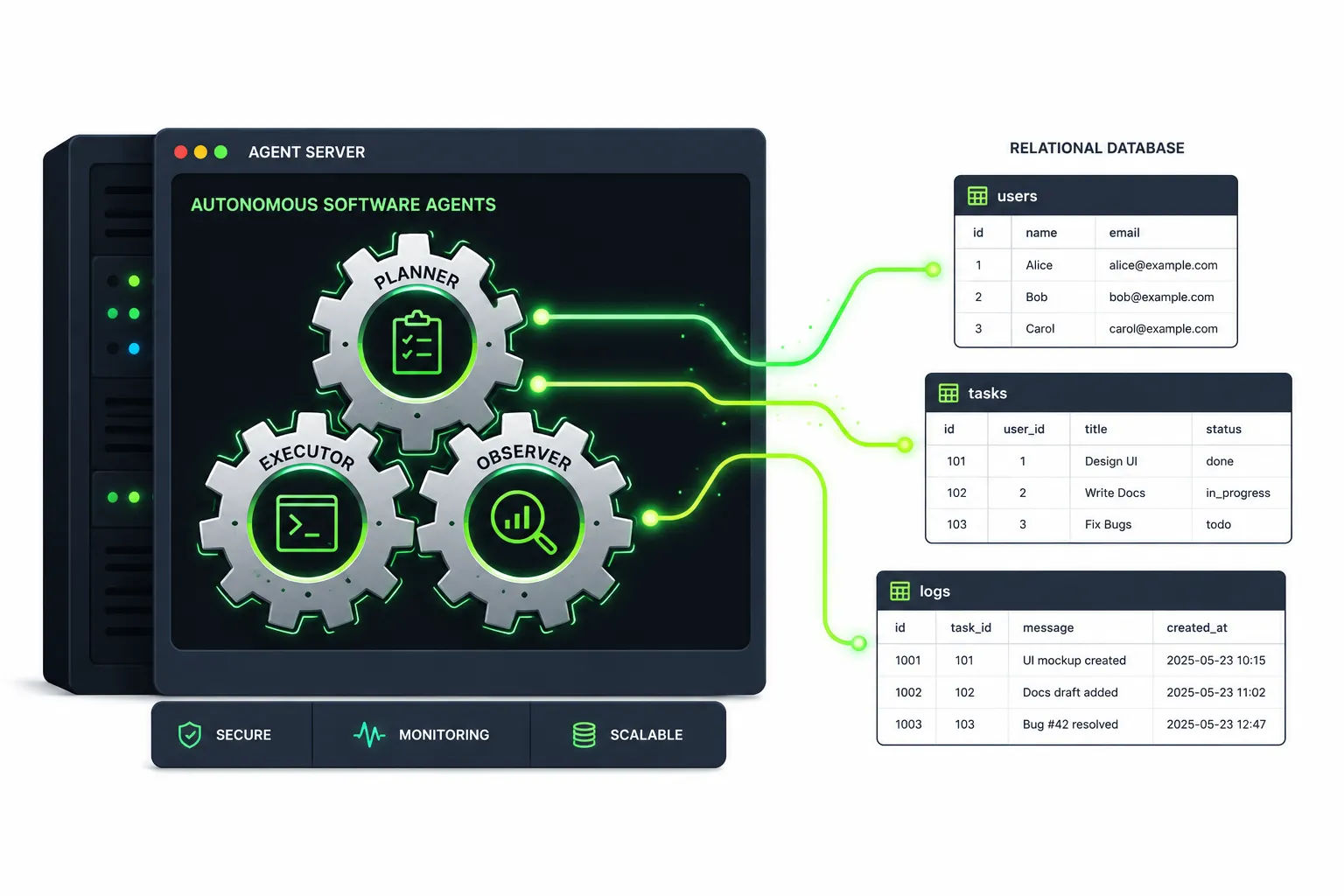
Database: PostgreSQL with Prisma ORM (essential for type safety).
Authentication: Next-Auth or Clerk (RBAC - Role-Based Access Control is a must).
Styling: Tailwind CSS with Shadcn/UI for a premium, clean aesthetic.
File Handling: ImageKit or Cloudinary with browser-side compression.
2. The Frontend vs. Admin Panel: The "Wow" Factor
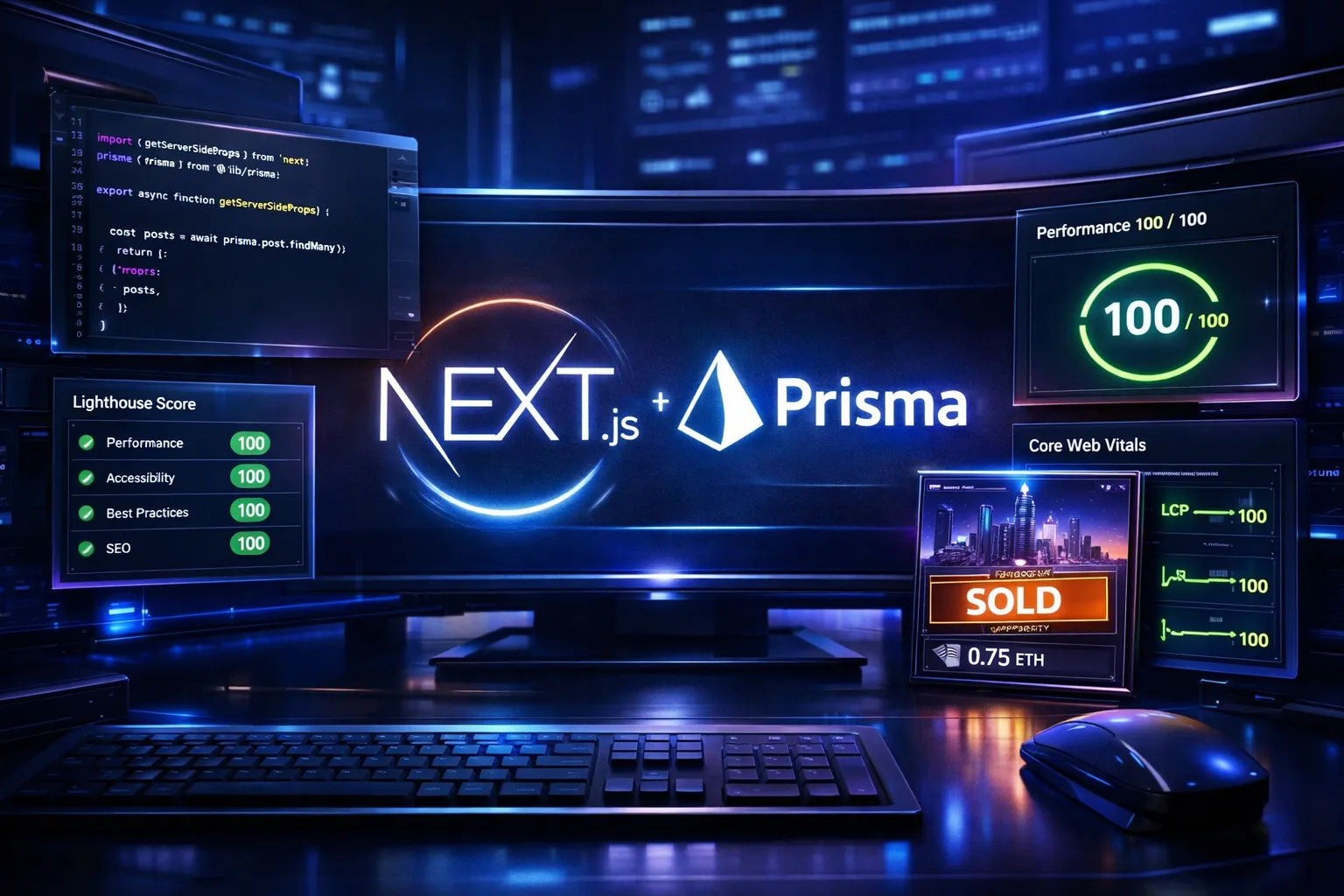
The Frontend must be headless-ready and SEO-optimized. In 2026, Core Web Vitals are not optional. Your frontend should achieve a perfect 100/100 Lighthouse score out of the box.
The Admin Panel is where the value lies. Avoid "basic" CRUD. Your admin panel should include:
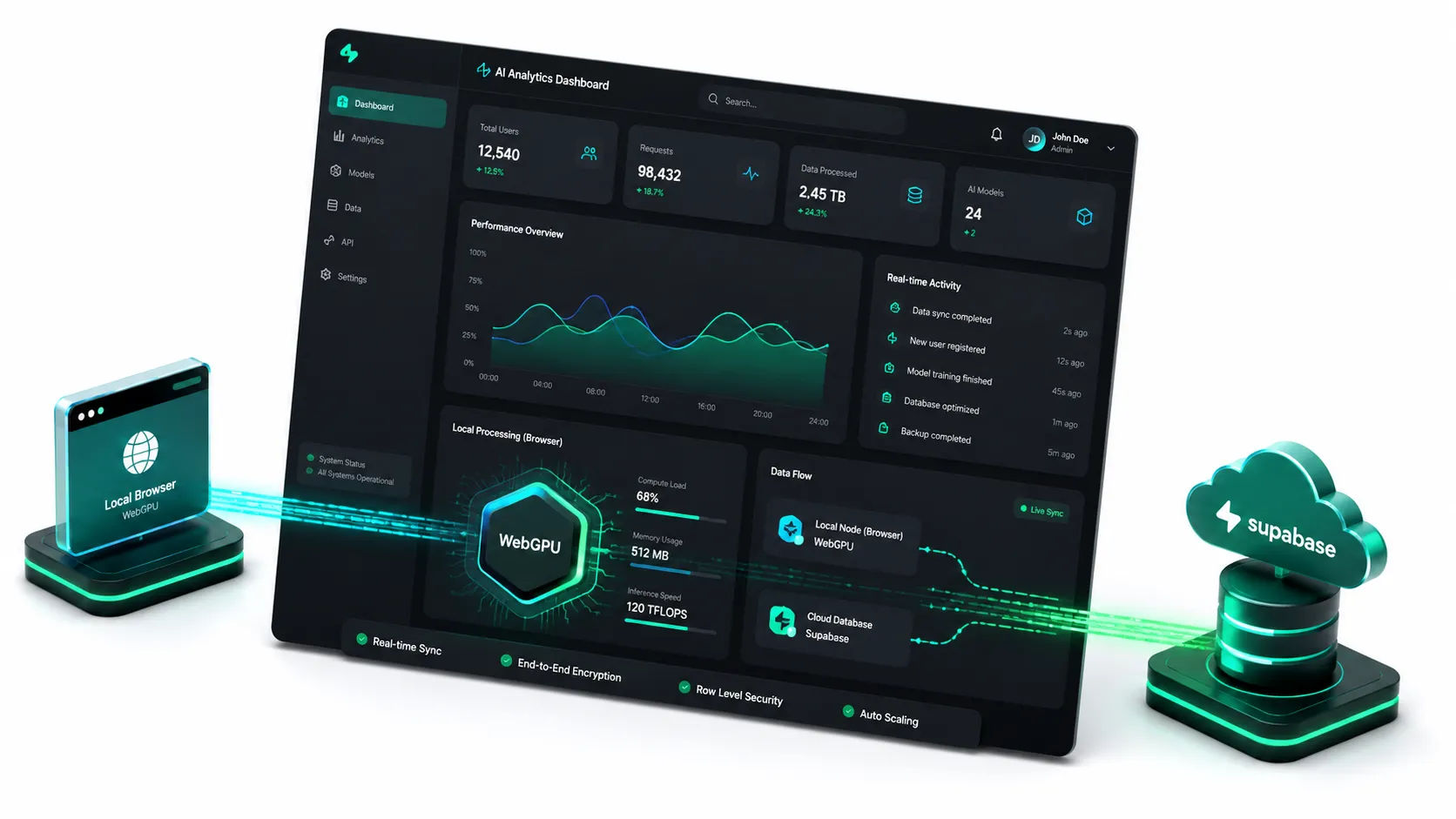
Analytics Dashboard: Integration with Vercel Analytics or a custom Prisma-based view counter.
SEO Suite: Real-time preview of Meta Tags and Open Graph images.
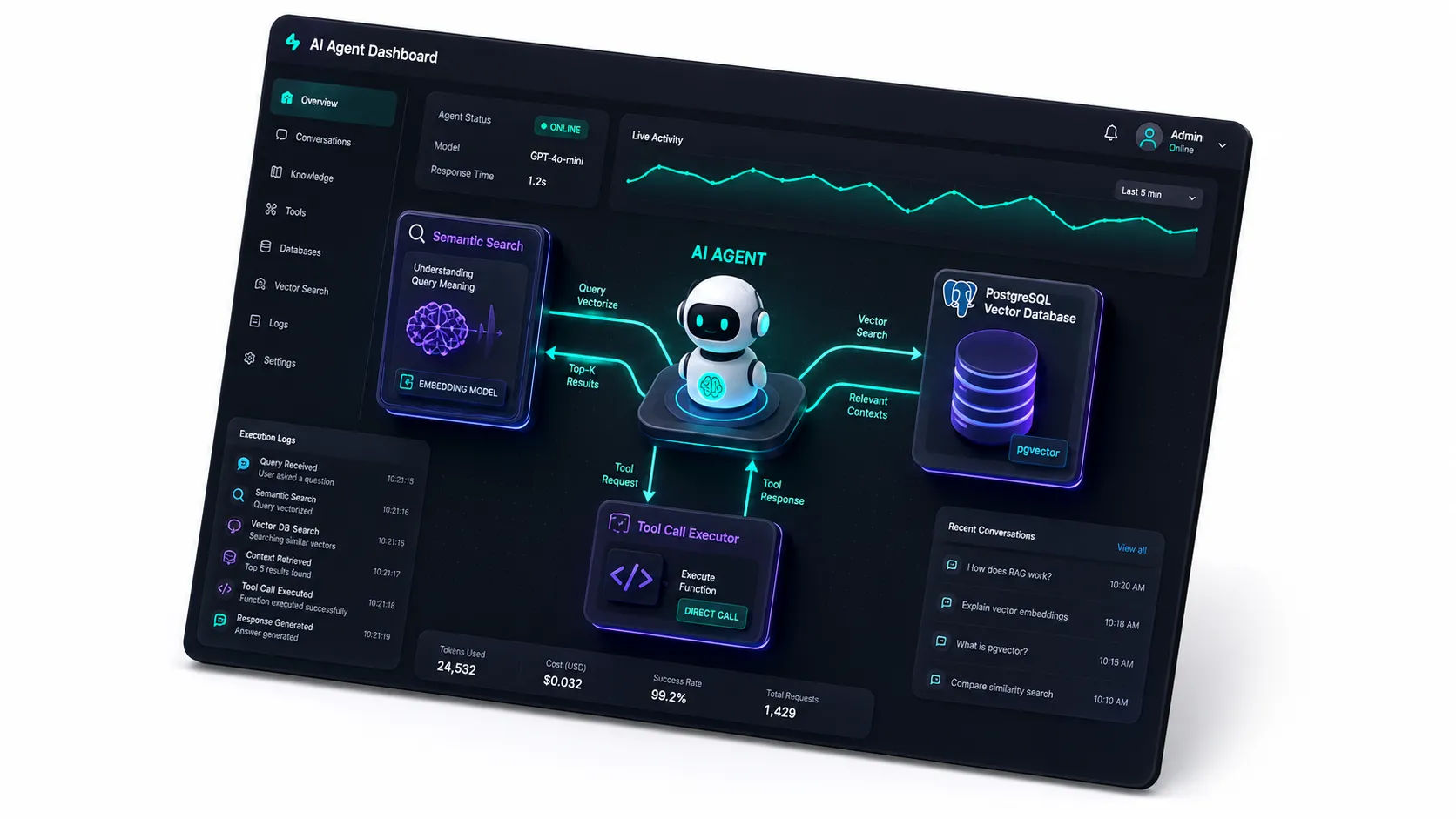
AI Content Assistant: A built-in Gemini or OpenAI integration that generates meta descriptions and suggests internal links.
3. What Makes Your CMS "Instantly Saleable"?
To sell quickly, you must solve the buyer's biggest headache: Maintenance. ### A. Multi-Tenant Ads System Don't just rely on AdSense. Build a custom "Slots" management system where the buyer can sell direct banner space to sponsors without touching the code. This is a massive selling point for niche site owners.
B. Specialized Utility Tools
Integrate built-in tools like an Image Compressor or PDF Generator directly into the CMS. This creates "sticky" traffic that keeps users coming back, increasing the site's valuation.
C. Advanced Middleware
Include robust Middleware for security. Use RBAC so the owner can hire editors without giving them access to the financial settings or API keys.
4. Why Would Someone Buy This in the AI Era?
You might wonder: Can’t people just use AI to build this? The answer is No. While AI can write snippets, it cannot architect a secure, high-performance, full-stack ecosystem.