Why Every Laborer and Worker Should Learn a Digital Skill in 2026
Why Every Laborer and Worker Should Learn a Digital Skill in 2026
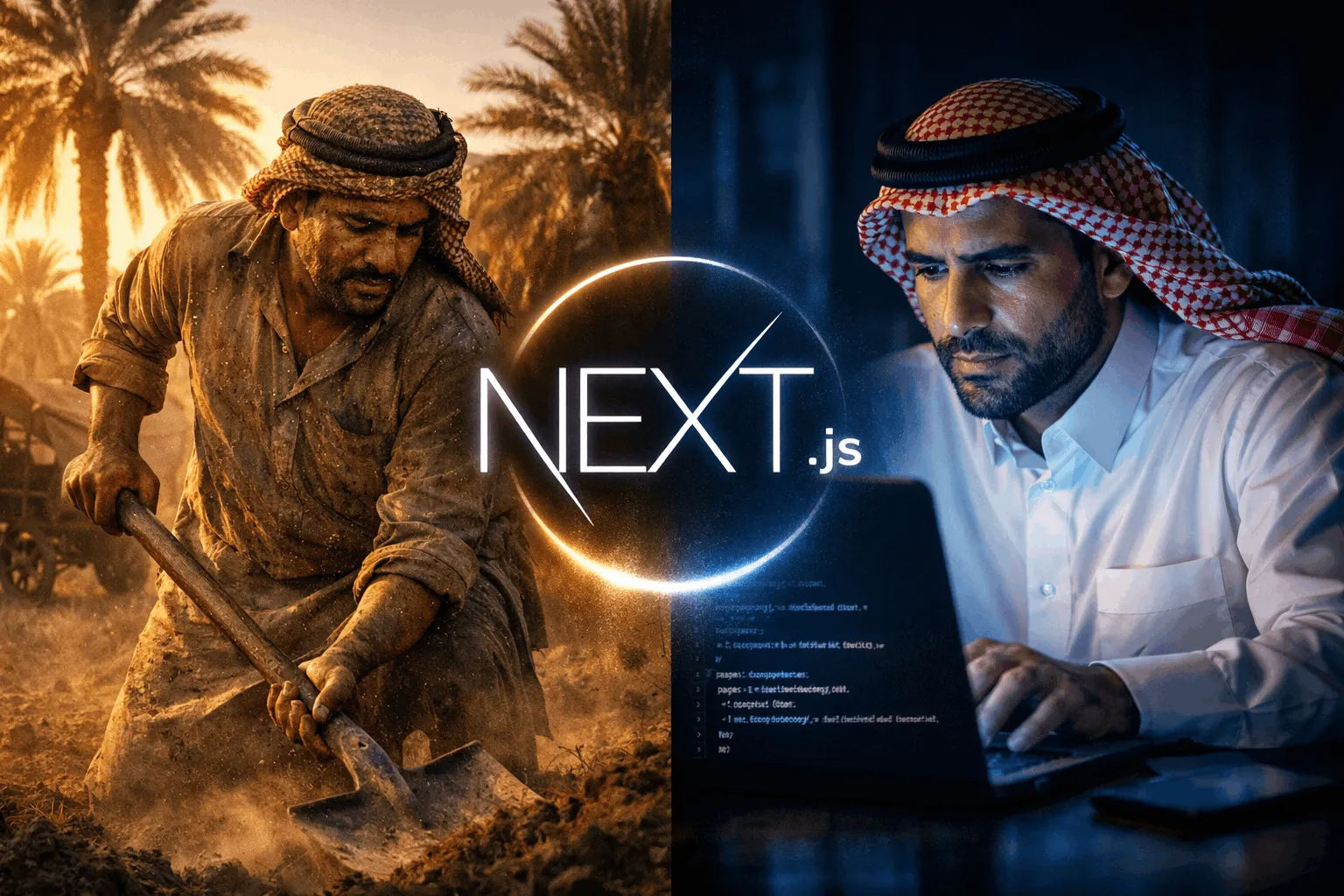
For decades, millions of workers have traveled to the Gulf region and other parts of the world to support their families through physical labor. Construction, agriculture, factory work, and transport have been the backbone of migrant employment. But as we live through 2026, the global economy is changing faster than ever.
Automation, AI, and digital transformation are shifting how industries operate. Relying solely on physical labor is no longer a secure long-term strategy for your career or your family's future.
If you are currently working a manual labor job, the most important decision you can make this year is to learn a digital skill. Here is why digital literacy is no longer a luxury but a survival requirement for workers in 2026.
1. The Reality of the Physical Ceiling
Physical labor has an expiration date. Your body can only handle heavy lifting, extreme heat, and 10-hour standing shifts for a certain number of years. As you grow older, physical stamina decreases, but your financial responsibilities only increase.
The Trap: Relying completely on physical strength means your earning capacity stops the moment you fall sick or get tired.
The Digital Escape: A digital skill—whether it is web development, graphic design, search engine optimization (SEO), or digital marketing—depends on your mind, not your muscles. It allows you to build an income source that grows stronger as you get older and more experienced.
2. AI Has Made Learning 10x Easier and Free
In the past, the biggest barrier for a laborer to learn coding or design was the lack of access to expensive teachers, institutes, or English language barriers. In 2026, that barrier is completely gone.
With advanced AI assistants like Gemini and ChatGPT, you have a world-class, personal tutor in your pocket 24/7 for free.
You can ask AI to explain complex technical concepts in simple Urdu, Hindi, or Malayalam.
You can paste a broken piece of code and ask the AI to find the bug and explain how to fix it.
You don't need a university degree; you just need a cheap, second-hand laptop, an internet connection, and the curiosity to ask questions.
3. Escape the Geographic Boundaries (Work from Anywhere)
As a physical laborer, you must be physically present at a specific construction site or farm to earn your salary. If your visa expires or you have to return home, your income instantly drops to zero.
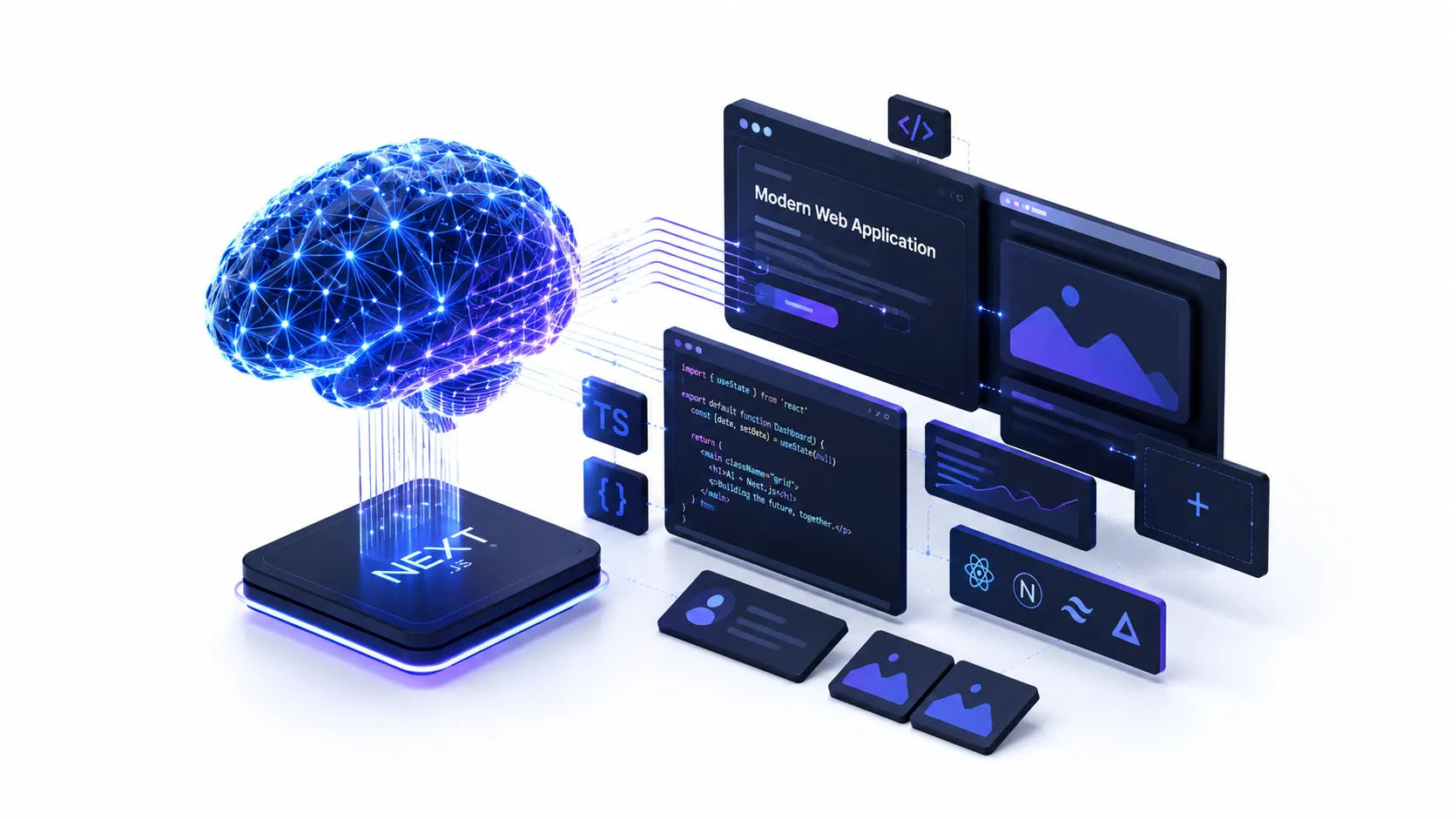
Digital skills give you geographic freedom. Once you master a stack like Next.js, Prisma, and Tailwind CSS, or learn how to optimize web assets, you can look for remote freelance work or build your own independent platforms (like WisemixMedia). Whether you are sitting in a labor camp in Riyadh, a farmhouse in rural Saudi Arabia, or your hometown in Pakistan or India, your digital asset keeps working for you.
4. Transitioning into the Modern "Architect" Role
Many workers fear that AI will take away digital jobs, so they hesitate to start. This is a massive misconception. AI isn't replacing developers; AI is replacing developers who don't know how to use AI.
In 2026, companies don't look for people who can blindly type lines of code for hours. They look for problem solvers who can direct AI tools to build solutions quickly. This means even if you start learning today, you can leverage AI to bypass years of tedious syntax memorization and start building functional web tools, CV builders, or image compressors almost immediately.
How to Start with Just 1 Hour a Day
You do not need to quit your job to change your life. Transformation happens in your free hours:
Cut the Bloat: Replace one hour of mindless video scrolling or social media use every evening with learning.
Pick One Focus: Don't try to learn everything. Pick a solid, high-demand track. For web development, start with HTML/CSS foundations, then quickly move to TypeScript and Next.js.
Build as You Learn: Don't just watch videos. Open a code editor and build small things—a basic form, a personal portfolio webpage, or a simple calculator.
Conclusion
Your current job is what pays your bills today, but your digital skill is what buys your freedom tomorrow. Physical labor is honorable, but it should be your stepping stone, not your final destination. Use the energy you have left at the end of the day to build a digital asset. The world in 2026 belongs to those who adapt. Start today, stay consistent, and watch your future transform.