The Shift to Vibe Coding: How to Architect Next.js 15 Apps When AI Writes 90% of Your Code
The Shift to Vibe Coding: How to Architect Next.js 15 Apps When AI Writes 90% of Your Code
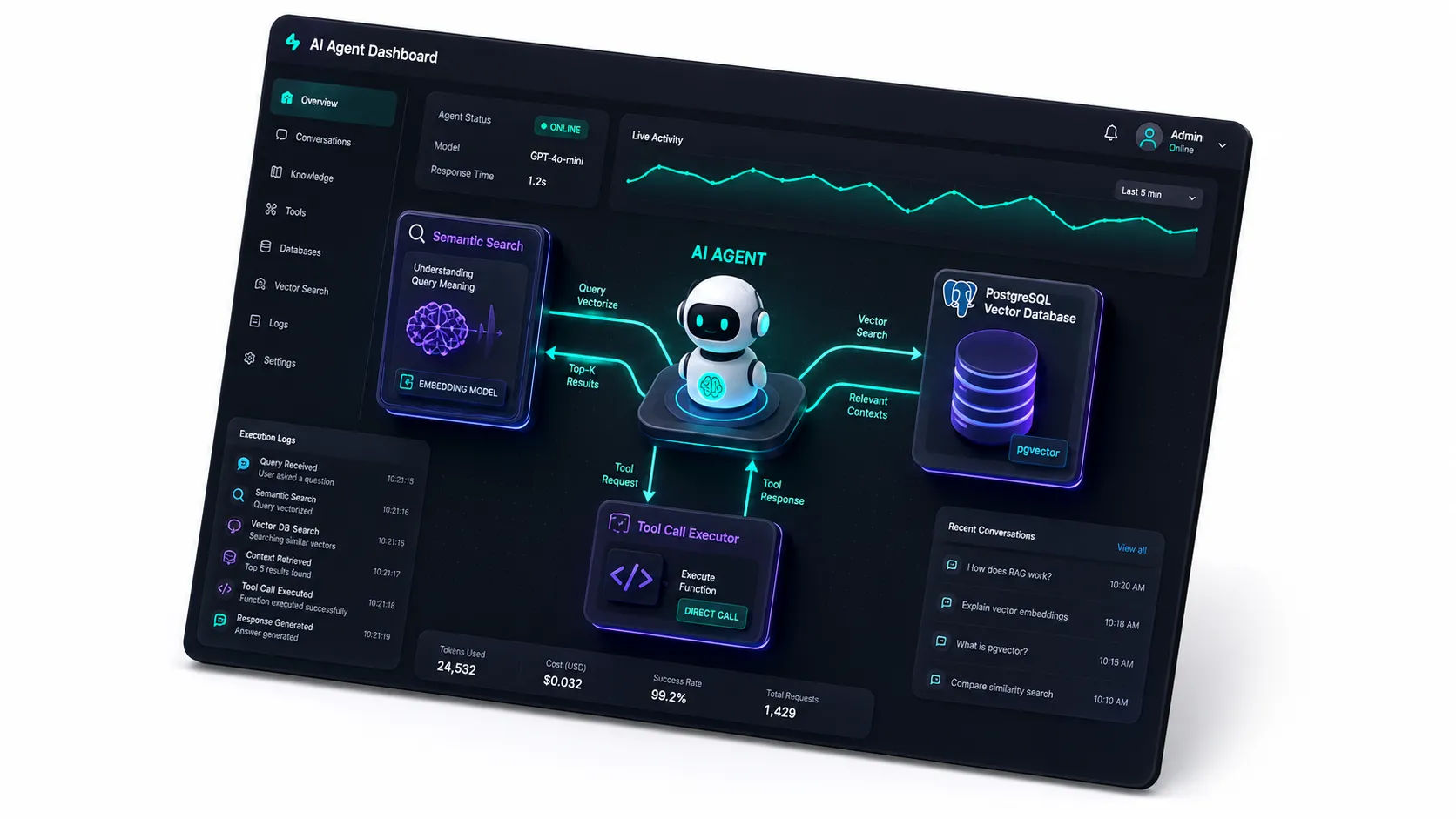
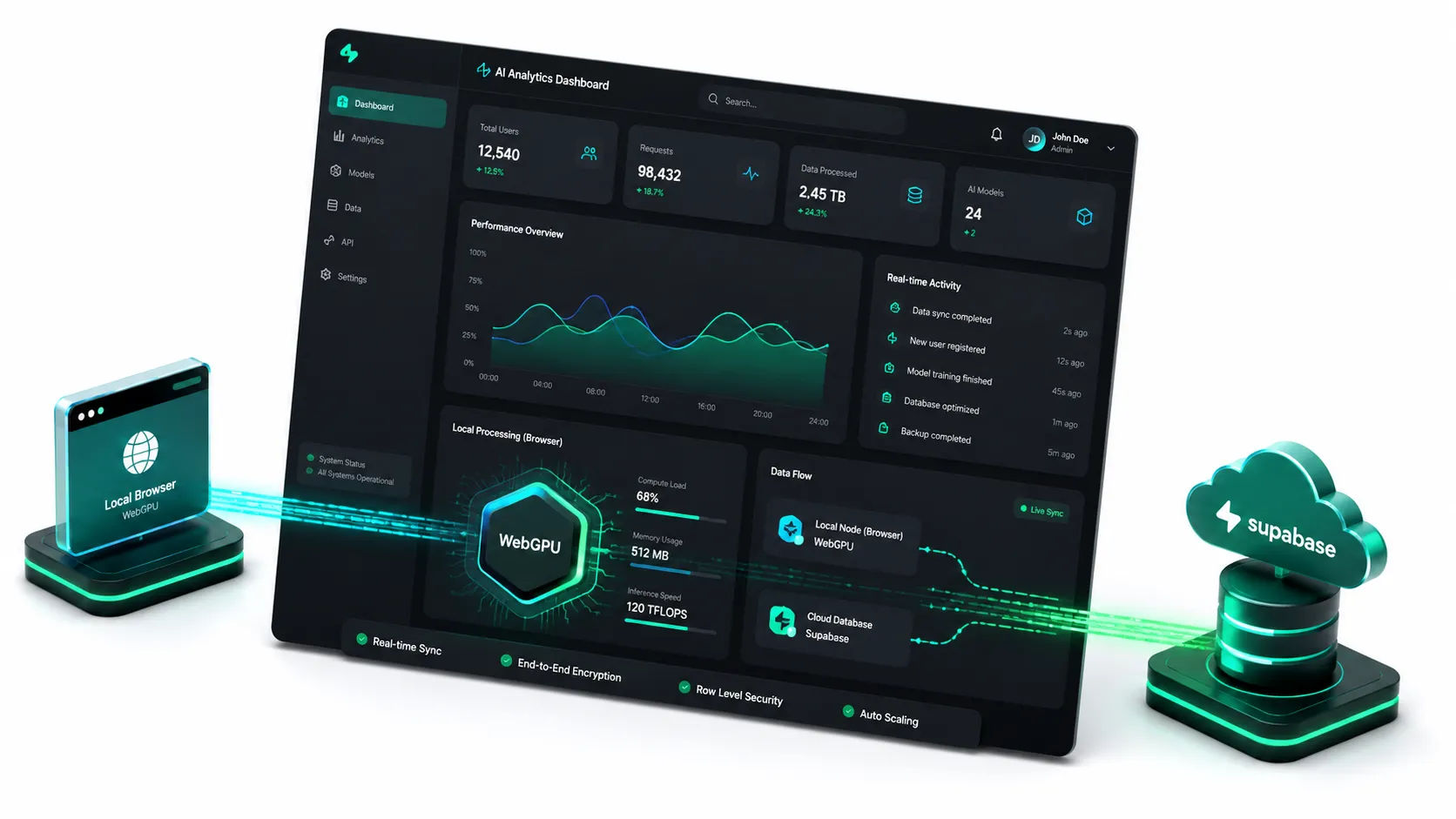
There is a strange, intoxicating feeling that every developer in 2026 has experienced. You sit back, take a sip of coffee, type a single sentence into an AI orchestrator like Cursor, Windsurf, or Google Antigravity, and watch thousands of lines of syntactically perfect TypeScript cascade down your IDE. Within ninety seconds, an entire authentication flow, a dynamic sidebar, and three database mutations are fully written, wired up, and formatted.
We aren't just writing code anymore; we are vibe coding.
Coined by Andrej Karpathy, the term "vibe coding" describes a paradigm shift where developers guide AI to build software by focusing on high-level intent rather than manual syntax. Industry telemetry from early 2026 shows that over 90% of developers use AI tools daily, and nearly half of all production code is now machine-generated.
But as the mechanical act of typing loops and mapping arrays evaporates, a more dangerous human delusion is taking its place. Many developers believe that because they can prompt an MVP into existence over a single weekend, they no longer need to understand engineering. This is a trap. In the era of vibe coding, system architecture is the only thing keeping your application from collapsing into unmaintainable AI slop.
If AI is going to write 90% of your code, your human job shifts entirely to the remaining 10%: Context Engineering, Architectural Guardrails, and System Verification. Here is how to architect robust full-stack Next.js 15 applications when the machine holds the keyboard.
1. The Delusion of Speed: The 2026 Perception-Reality Gap
When you start vibe coding a Next.js 15 application, the initial velocity feels miraculous. You prompt an AI agent to build a multi-tenant dashboard, and it leverages Tailwind CSS, Lucide icons, and complex layout structures in seconds. It feels like a 10x explosion in human productivity.
However, recent longitudinal studies across hundreds of software organizations reveal an uncomfortable truth: while initial scaffolding is up to 55% faster, overall product throughput often increases by less than 10%. Why? Because of the Blind AI Coding Trap.
When an LLM generates code, it chooses the path of least resistance based on statistical probabilities. It doesn't inherently care about Next.js 15 caching paradigms, memory leaks, or optimal database indexing. Left unchecked, an AI agent will quietly introduce technical debt at a speed no human engineer could ever match. Independent code audits show that AI-co-authored pull requests contain up to 1.7x more logic and correctness errors than purely human-written code.
To prevent this, you must treat your AI not as an autonomous engineer, but as an incredibly fast, slightly reckless intern. You do not delegate thinking. You delegate execution.
2. Setting the Strategy: Spec-Driven Context Engineering
An AI model is only as intelligent as the context you feed it. If you open a blank editor and type "make me a SaaS blog dashboard," the AI will hallucinate a generic structure, guess your database schema, and likely mix outdated Page Router paradigms with modern App Router features.
The elite developers pulling ahead in 2026 are mastering Context Engineering. Before allowing an AI agent to write a single file, you must establish a strict structural source of truth.
The .cursorrules or ai-instructions.json Protocol
Every modern Next.js 15 project should feature a global rules configuration file at its root. This file explicitly limits the AI’s architectural choices. A production-grade context file forces the model to respect your framework boundaries:
JSON
{
  "framework": "Next.js 15 (App Router)",
  "database": "Prisma ORM with PostgreSQL",
  "styling": "Tailwind CSS (Utility-first, no arbitrary values)",
  "components": {
    "default": "React Server Components (RSC)",
    "interactivity": "Mark explicitly with 'use client' only when state/hooks are required",
    "patterns": "Prefer Server Actions for all mutations and form submissions"
  },
  "caching": "Enforce dynamic IO and explicit data revalidation tags"
}
By establishing these rules upfront, you eliminate the endless prompt-and-pray loops where the AI switches between client-side fetching and server components out of confusion. If you want to dive deeper into structuring these automated architectural frameworks, check out our guide on Professional UI Prompts for Building a Modern Blog Admin Dashboard.
3. The Next.js 15 Blueprint: Hard Guardrails for AI Agents
When vibe coding a full-stack web application, you must enforce a highly rigid, predictable file architecture. If your folder structure is messy, the AI's context retrieval will fail, and it will begin duplicating utility functions and components across different directories.
For a robust Next.js 15 layout optimized for AI pair-programming, always enforce a strict Separation of Concerns: