Is Anthropic Overhyped? The Honest Tech Stack Review of Claude Models and Pricing
Is Anthropic Overhyped? The Honest Tech Stack Review of Claude Models, Pricing, and Alternatives
For the past few years, OpenAI's ChatGPT was the undisputed baseline for artificial intelligence. If you wanted to generate content, analyze datasets, or debug an application node, you defaults to GPT models. However, a massive architectural shift has occurred in the developer landscape. Anthropic, an AI safety and research company founded by ex-OpenAI executives, has quietly captured the hearts of software architects, data analysts, and technical writers worldwide with its flagship ecosystem: Claude.
But is the platform worth the sudden industry migration? If you are managing complex cloud databases, scaling content infrastructure, or writing production code, you need concrete metrics over marketing hype.
Let's break down exactly how advanced Anthropic’s models are, investigate their real-world cost structures, measure execution speeds, explore alternatives, and determine if you should integrate them into your modern tech stack.
How Advanced is Anthropic? (The True Capabilities)
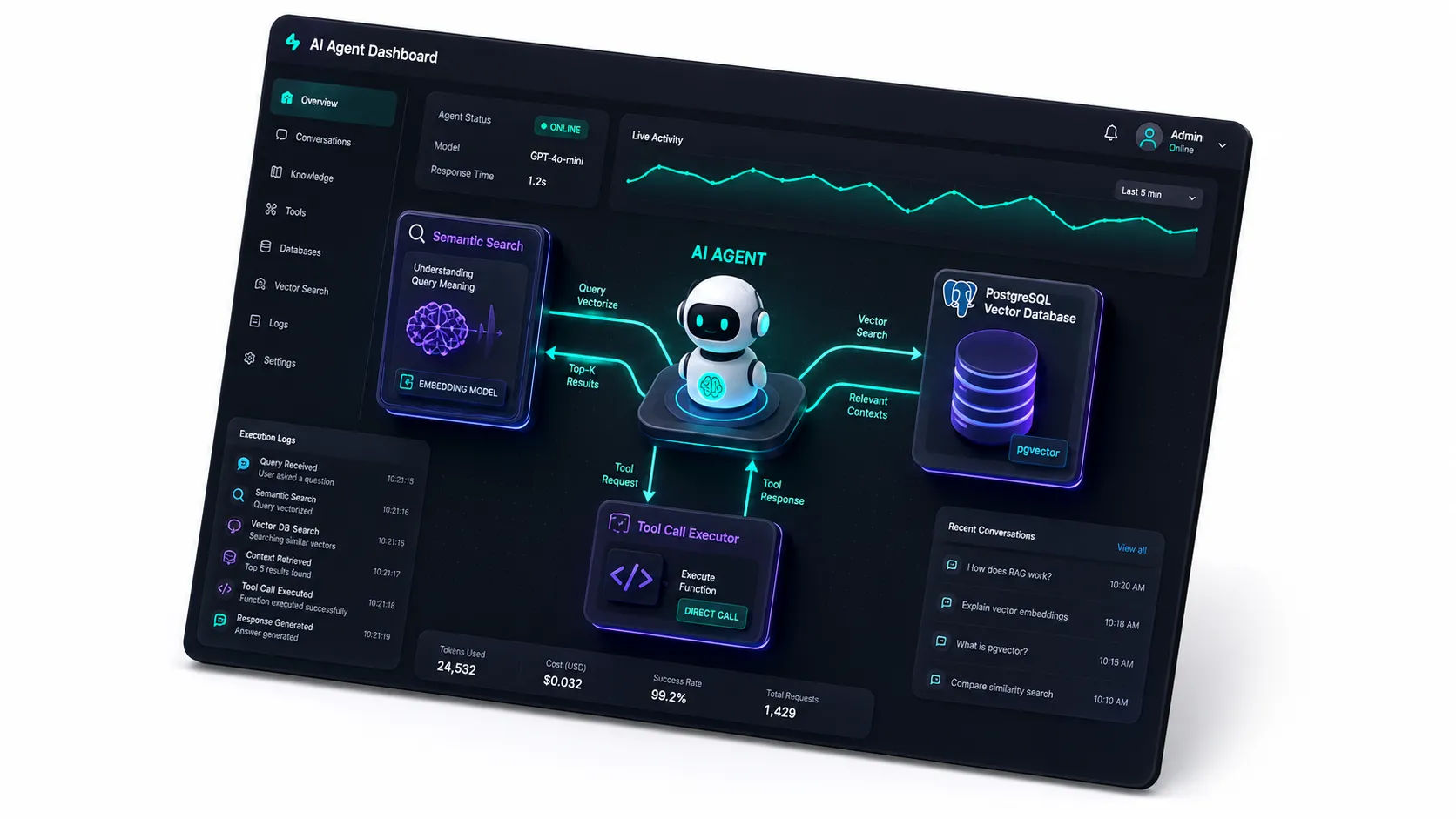
Anthropic doesn’t build generic chatbots; they build cognitive engines designed for complex structural reasoning. Their primary advantage lies in advanced contextual logic, code architecture synthesis, and long-context processing.
What Anthropic Models Can Actually Do:
Production-Grade Coding: Claude models possess an uncanny ability to understand complex application architectures. They don't just vomit single functions; they can refactor complete, multi-file software layers, map deep relational database schemas, and identify subtle race conditions inside asynchronous loops.
Massive 200k Context Window: While early AI systems struggled to remember things after a few paragraphs, Anthropic natively supports up to 200,000 tokens of data. This allows you to paste entire codebase repositories, financial quarterlies, or hundreds of pages of documentation into a single prompt without losing focus.
The Artifacts Workspace: Instead of scrolling through miles of raw Markdown text, Anthropic provides an isolated rendering sandbox called Artifacts. If you ask it to build an interactive dashboard, a game, or a complex UI widget, it writes, previews, and tests the living code side-by-side in real-time.
Decoding the Model Lineup and Speed Benchmarks
Anthropic structures its models into three specific tiers based on intelligence, latency, and operational expense:
1. Claude Haiku (The Fast Micro-Engine)
The Profile: Designed for lightning-fast execution and massive scale.
Speed: Near-instantaneous token generation.
Best For: Lightweight API automation, high-volume sentiment analysis, filtering incoming platform inputs, and executing quick inline functions.
2. Claude Sonnet (The Golden Standard)
The Profile: Currently the most popular model in the world among modern engineering teams (specifically Claude 3.5 Sonnet). It beats much larger models in logic, mathematical reasoning, and full-stack software development.
Speed: Moderately fast to highly responsive, balanced beautifully for complex server computations.
Best For: Structural programming, generating complex API logic, full-text parsing, and auditing data integrity metrics.
3. Claude Opus (The Deep Analytical Thinker)
The Profile: The massive, ultra-intelligent tier built for hyper-complex logic, research breakthroughs, and deep financial or scientific strategies.
Speed: Noticeably slower due to the massive neural network size and deep processing pipelines.
Best For: Complex multi-step problem solving, massive multi-document analysis, and deep conceptual planning.
Pricing Breakdown: Expensive or Affordable?
Is Anthropic going to break your cloud budget? The answer depends entirely on how you access it.
The Consumer Layer (The Web Interface)
If you use their browser interface at Claude.ai, they follow the standard industry SaaS pricing:
Free Tier: Access to Claude Sonnet with strict daily message limits that throttle down during peak traffic hours.
Pro Tier ($20/month): Grants 5x more usage capacity, priority access during peak hours, and early releases of experimental modules.
The Developer Layer (API Pricing)
For backend automation, engineers pay strictly for what they consume per one million tokens. The efficiency gains are massive if routed correctly:
Model Tier | Input Cost (Per 1M Tokens) | Output Cost (Per 1M Tokens) | Speed Profile |
Claude Haiku | ~$0.25 | ~$1.25 | Blazing Fast |
Claude Sonnet | ~$3.00 | ~$15.00 | Balanced / Fast |
Claude Opus | ~$15.00 | ~$75.00 | Slow / Deliberate |
Pro Tip: Anthropic also supports Prompt Caching. If you keep your large database schemas or codebase rules cached in the prompt memory, your input costs for subsequent API calls can drop by up to 90%, making it highly cost-effective for automated agents.
Powerful Industry Alternatives to Anthropic
If Anthropic’s constraints or geographical rate limits don't align with your infrastructure, several excellent alternatives offer distinct advantages:
OpenAI (GPT-4o / GPT-4o-mini): The closest direct competitor. While it slightly trails Claude in pure programming logic, it excels in raw execution speed, native voice integration, custom GPT fine-tuning capabilities, and lower API pricing tiers.
DeepSeek (V3 / R1): The open-source and highly optimized alternative that has taken the world by storm. It offers incredible logic capabilities at a fraction of the cost, making it ideal for self-hosted data setups.
Google Gemini (1.5 Pro / Flash): Unmatched when it comes to context length. Gemini supports up to a staggering 2 million tokens, allowing you to upload entire hours of video files or thousands of source code components simultaneously.
How to Get Started with Anthropic
Getting into the Anthropic ecosystem is incredibly simple and can be done through multiple interfaces based on your technical skill:
Method A: The Web Platform
Simply navigate to Claude.ai, sign up with your email, and immediately begin using the conversational workspace. This interface is perfect for content creation, basic document analysis, and rendering real-time web prototypes inside the Artifacts layout.
Method B: The API Pipeline
For developers building next-generation platforms, you register at the Anthropic Console, generate a secure ANTHROPIC_API_KEY, and install their official server SDK:
Bash
npm install @anthropic-ai/sdk
You can seamlessly execute model inferences directly within serverless architectures. If you are building modern dashboard structures to display AI-driven summaries, review our step-by-step strategy for building a modern nextjs navbar with isr and tailwind css step by step guide to keep your navigation latency incredibly low.
Furthermore, optimizing metadata dynamically for public routing screens that display AI summaries remains critical. Ensure your application stays fully discoverable by reading our handbook on mastering nextjs metadata the definitive guide to dynamic seo titles.
Production Utilities for AI Engineers
When managing continuous prompt cycles, calculating internal API token pricing, or arranging system update dates across distributed application logs, having lightweight browser helpers keeps your workspace moving fast.
Algorithmic Calculations: To track your API token budgets, input-to-output cost structures, or custom prompt caching discounts precisely without leaving your developer workflow, rely on our embedded math calculator tool.
System Event Tracking: For mapping out deployment timelines, logging system evaluation milestones, or setting maintenance reminders for automated cron loops, utilize our clean calendar interface.
Final Verdict: Should You Use Anthropic?
The short answer is Yes. If your primary goals revolve around software development, complex database organization, parsing extensive technical manuals, or handling nuanced reasoning tasks, Anthropic’s Claude 3.5 Sonnet is arguably the best model on the planet right now.
However, if you only require basic marketing copywriting, high-speed audio translations, or have zero technical budget, relying on free tiers of OpenAI or Gemini Flash will save you capital while getting the foundational job done. Choose your tools based on the structural depth of your problem statement.