Build Your Own Sovereign AI Infrastructure with Next.js 15
The Shift to Sovereign AI: Why Small Businesses Are Building Private Infrastructure with Next.js 15
For the past couple of years, small business automation followed an incredibly predictable spending pattern. If an enterprise wanted to integrate artificial intelligence into its workflow, it had to rent it. Businesses subscribed to third-party customer support tools, external AI copywriting platforms, and cloud-based data parsers.
While these subscription boxes served as a great proof of concept, they introduced two structural breaking points for growing businesses: spiraling monthly operational costs and severe data leakage risks. Sending proprietary company financial spreadsheets, user logs, or internal customer emails to external APIs means trading away ownership of your corporate intelligence.
In mid-2026, the strategic conversational focus has changed completely. Forward-thinking companies are no longer asking how to use third-party AI chatbots. Instead, they are asking how to build their own Sovereign AI Infrastructure.
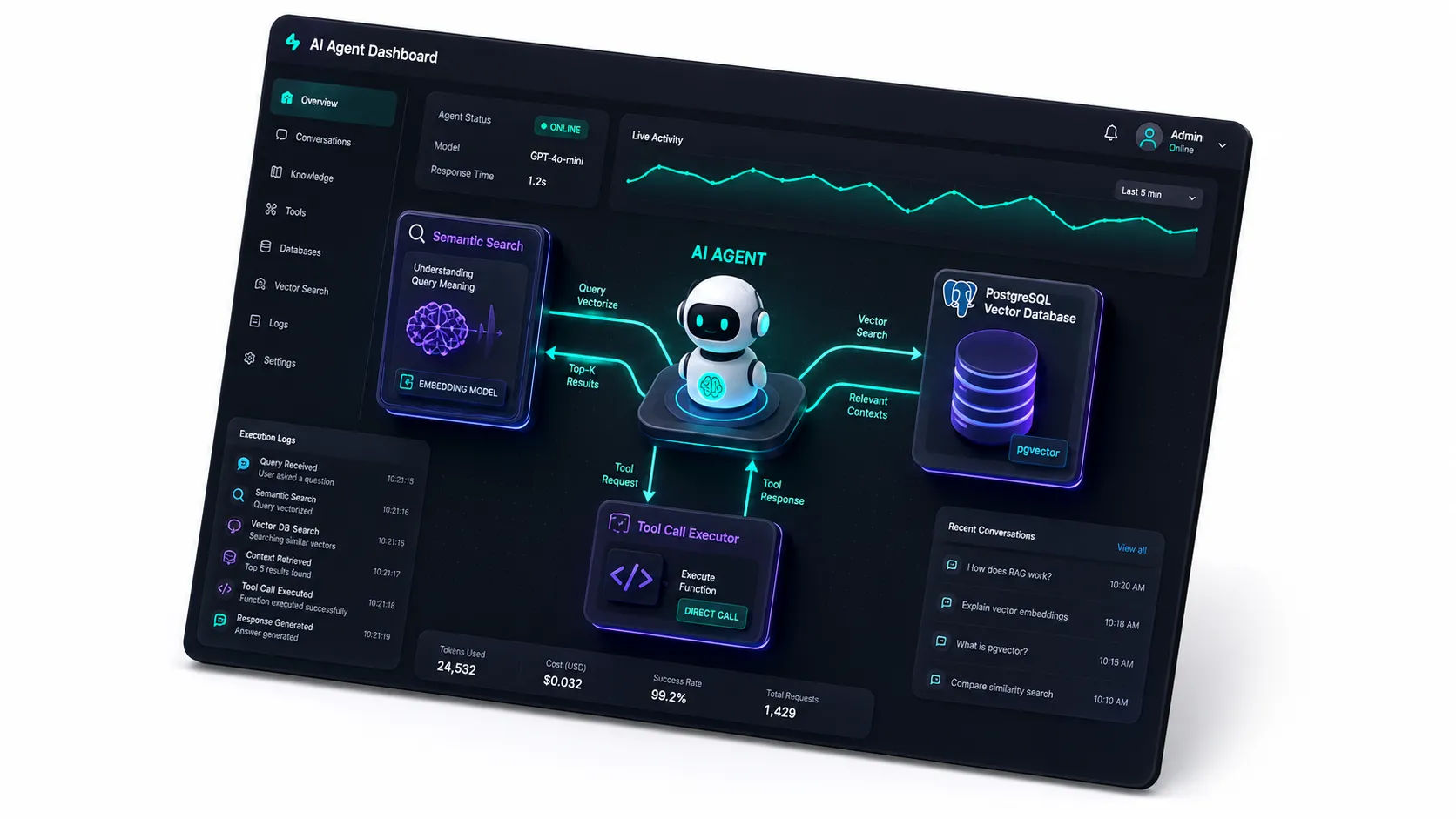
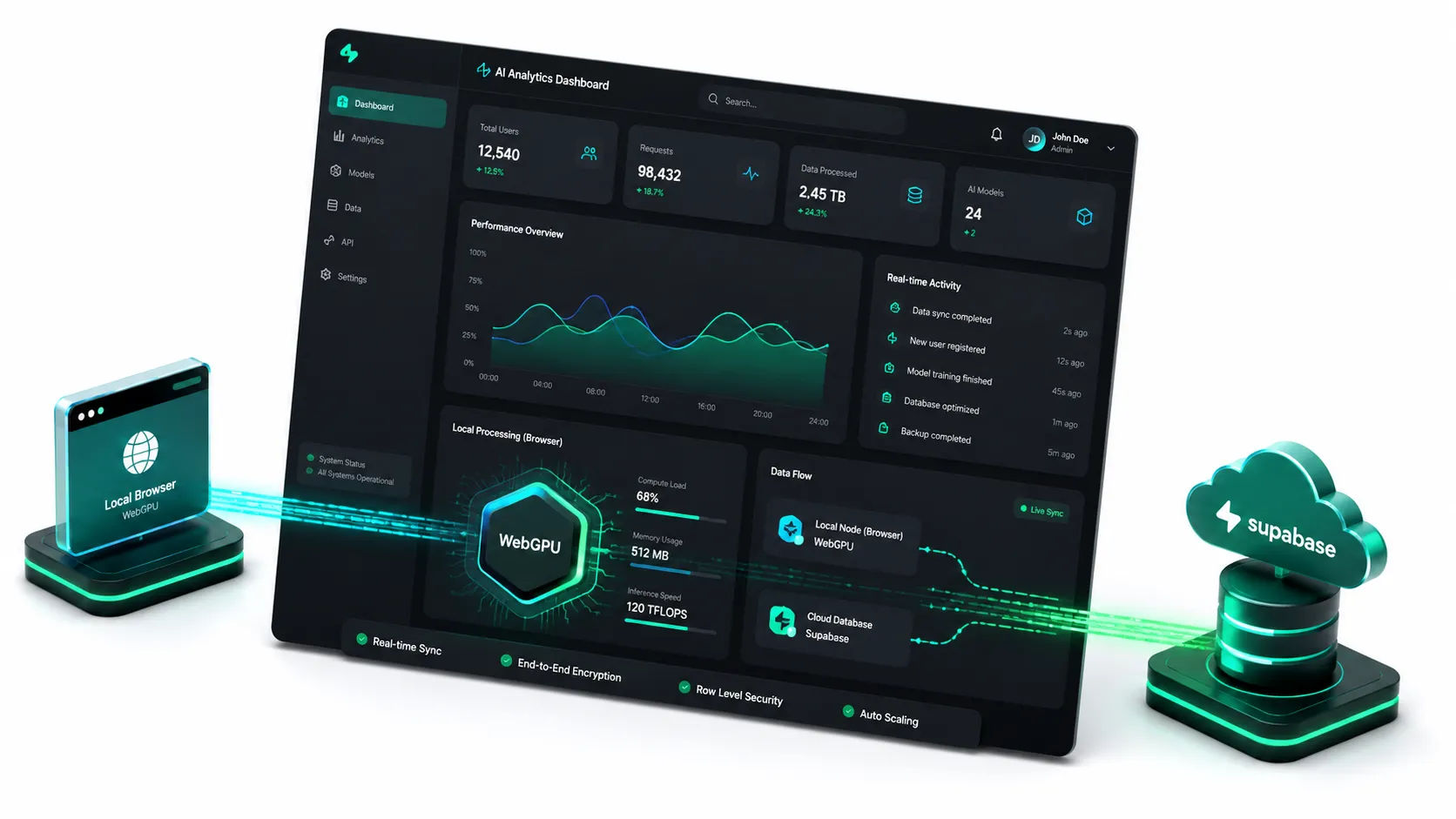
Thanks to highly capable open-source foundation models and robust full-stack web architectures like Next.js 15, small businesses can now deploy self-hosted corporate intelligence tools natively inside their existing codebases. Let's look at the operational blueprint for building your own enterprise data nodes while maintaining complete control over your assets.
The Strategic ROI of Custom Business Infrastructure
When evaluating modern operational systems, small business owners must prioritize immediate financial return on investment (ROI). Paying for seats across multiple disconnected corporate AI platforms is a fast way to bleed cash.
By building a central corporate dashboard natively using Next.js and secure relational frameworks like PostgreSQL, you can consolidate your internal processes into a single software footprint.
1. Eliminating the Subscription Tax
When you build your own data processing infrastructure, you pay for the computing power you use—not a marked-up monthly cost per user. By using secure, direct API bridges or local model engines to process document text, generate drafts, or parse contact messages, you bypass the massive margins charged by commercial software resellers.
2. Complete Asset Sovereignty
Your business data is a proprietary asset. When you funnel your customer interactions through custom database schemas managed by an object-relational mapping (ORM) layer like Prisma, you retain 100% data custody. This makes your entire digital business infrastructure far more attractive to future investors, buyers, or partners because your operational workflows are deeply embedded in your own intellectual property.
To explore this concept further, read our foundational look at Beyond the Buzzwords: Strategic AI Integration for Lasting Business Growth, which covers the initial planning mindsets needed for modern digital transitions.
Architectural Blueprint: Building a Secure Corporate Data Pipeline
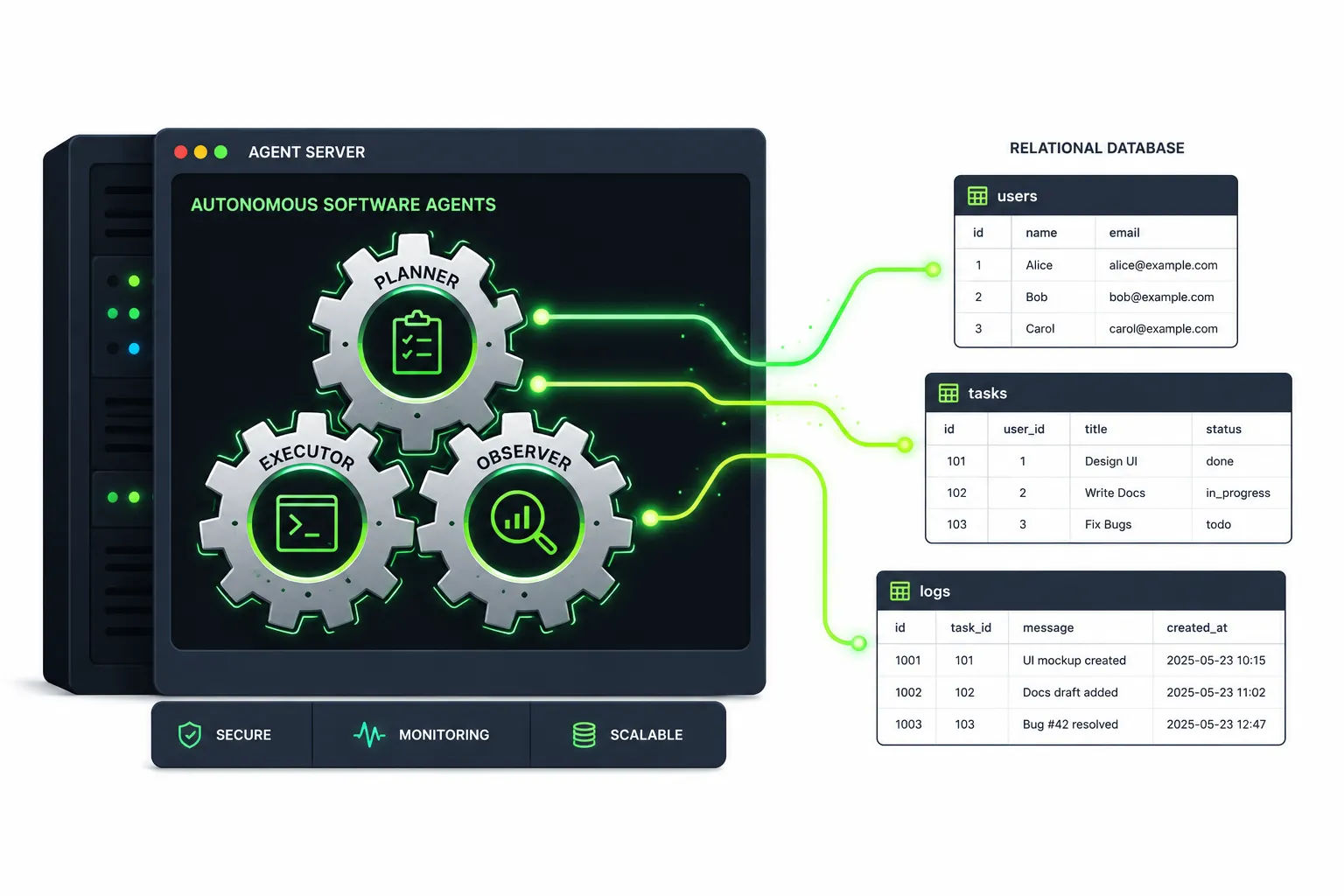
To build a secure enterprise system, you must design a structured, isolated pathway that safely handles data storage, execution validation, and user roles.
Let's look at a practical, full-stack implementation blueprint for processing and logging sensitive, internal corporate messages using Next.js Server Actions and a strict relational database layer.
TypeScript
// app/actions/business-engine.ts
"use server";

import { prisma } from "@/lib/db";
import { GoogleGenAI } from "@google/generative-ai";

const ai = new GoogleGenAI(process.env.GEMINI_API_KEY!);

interface ProcessingResult {
  success: boolean;
  category?: string;
  suggestedAction?: string;
  error?: string;
}

export async function processCorporateMessage(messageId: string): Promise<ProcessingResult> {
  // 1. Fetch the raw contact message from your protected corporate database
  const messageData = await prisma.contactMessage.findUnique({
    where: { id: messageId }
  });

  if (!messageData) {
    return { success: false, error: "Target data record not found within database." };
  }

  try {
    const model = ai.getGenerativeModel({ model: "gemini-2.5-flash" });

    // 2. Pass data through a strict corporate classification prompt
    const systemPrompt = `You are an internal corporate operations node. Analyze the following business message for priority classification and actionable next steps. Output your response strictly in raw JSON format matching this schema: {"category": "LEAD" | "SUPPORT" | "URGENT", "suggestedAction": "string"}\n\nMessage Content:\n${messageData.body}`;

    const response = await model.generateContent(systemPrompt);
    const textOutput = response.response.text();

    // Clean potential markdown wrappers if the engine returns them
    const cleanedJson = textOutput.replace(/```json|```/g, "").trim();
    const parsedData = JSON.parse(cleanedJson);

    // 3. Persist the generated insights back into your corporate data records securely
    await prisma.contactMessage.update({
      where: { id: messageId },
      data: {
        processed: true,
        category: parsedData.category,
        actionNotes: parsedData.suggestedAction,
        metadata: {
          analyzedAt: new Date().toISOString(),
          engineUsed: "Sovereign-Internal-v1"
        }
      }
    });

    return {
      success: true,
      category: parsedData.category,
      suggestedAction: parsedData.suggestedAction
    };

  } catch (error: any) {
    // Fail gracefully and record the error internally for developer auditing
    console.error("Infrastructure pipeline processing error:", error);
    return { success: false, error: "Internal processing pipeline failure encountered." };
  }
}
Maximizing Operational Efficiency with Clean Layouts
An enterprise tool is only as powerful as its accessibility. While your background data layers handle heavy calculations, text processing, or automated content generation, the user interface must remain lightning fast.
This is where understanding modern design rules matters. Businesses must actively step away from over-complicated, slow layouts that confuse staff or slow down daily tasks.