The Ghost in the Code: Overcoming the Blind AI Coding Trap in 2026
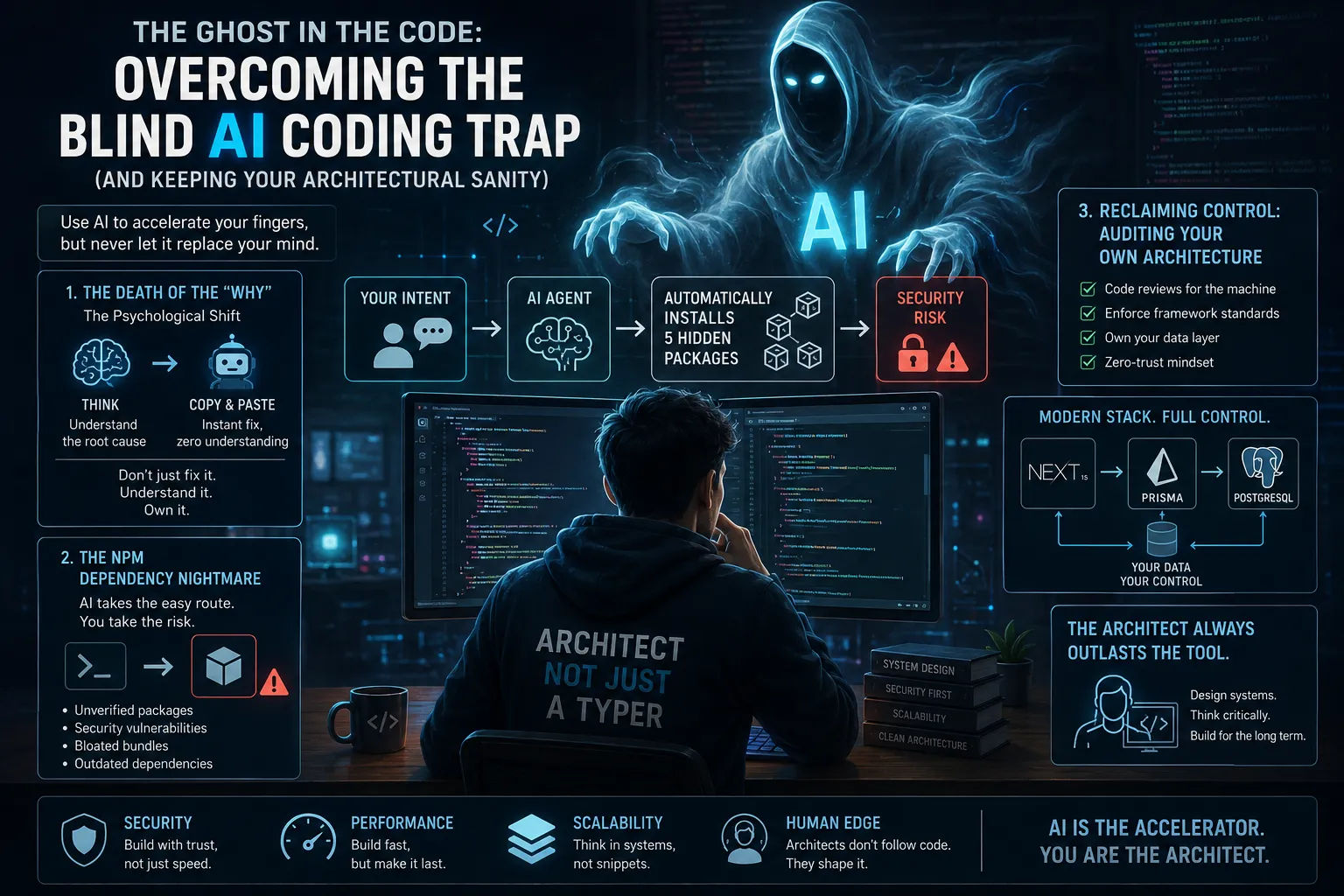
The Ghost in the Code: Overcoming the Blind AI Coding Trap (And Keeping Your Architectural Sanity)
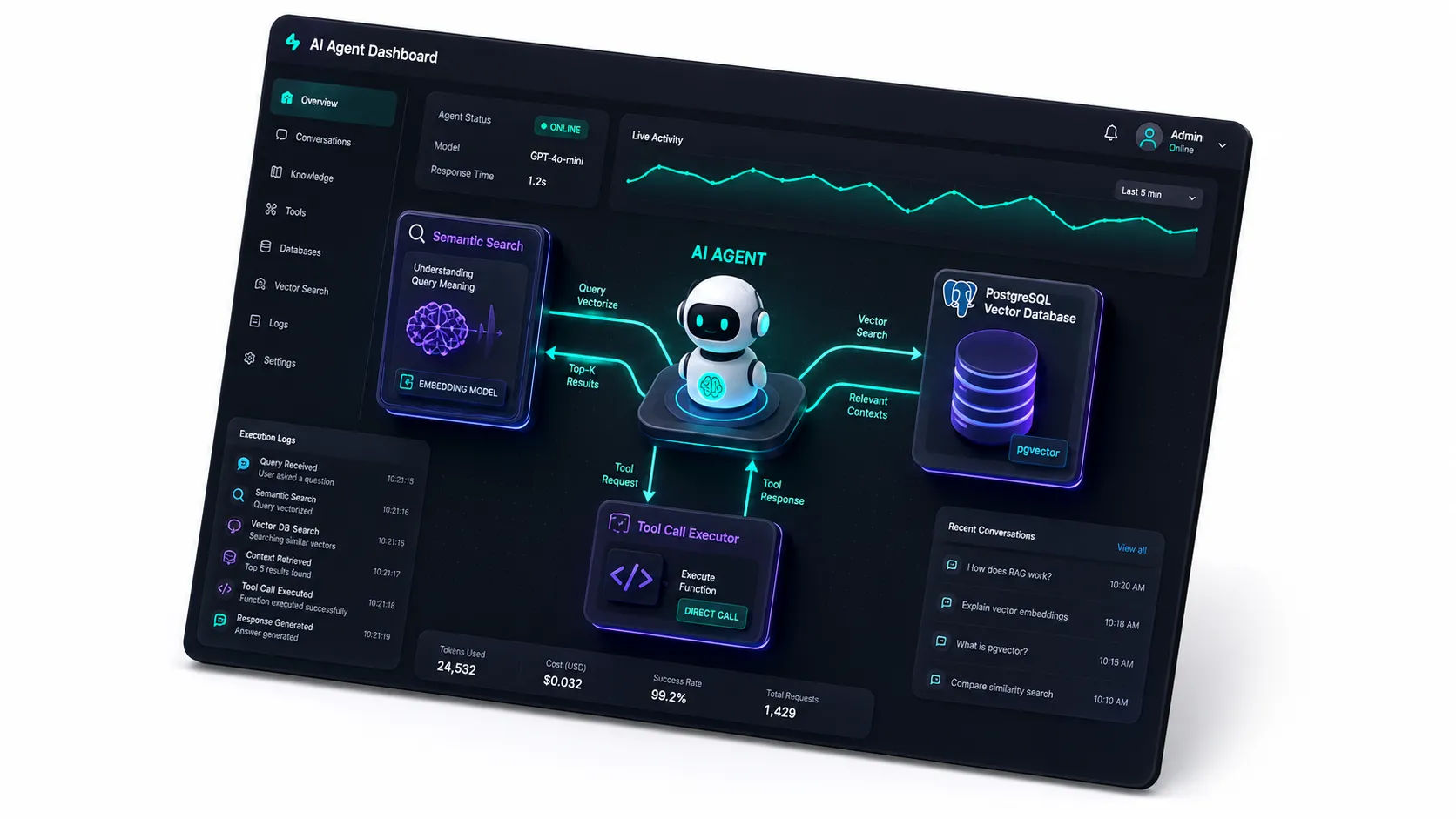
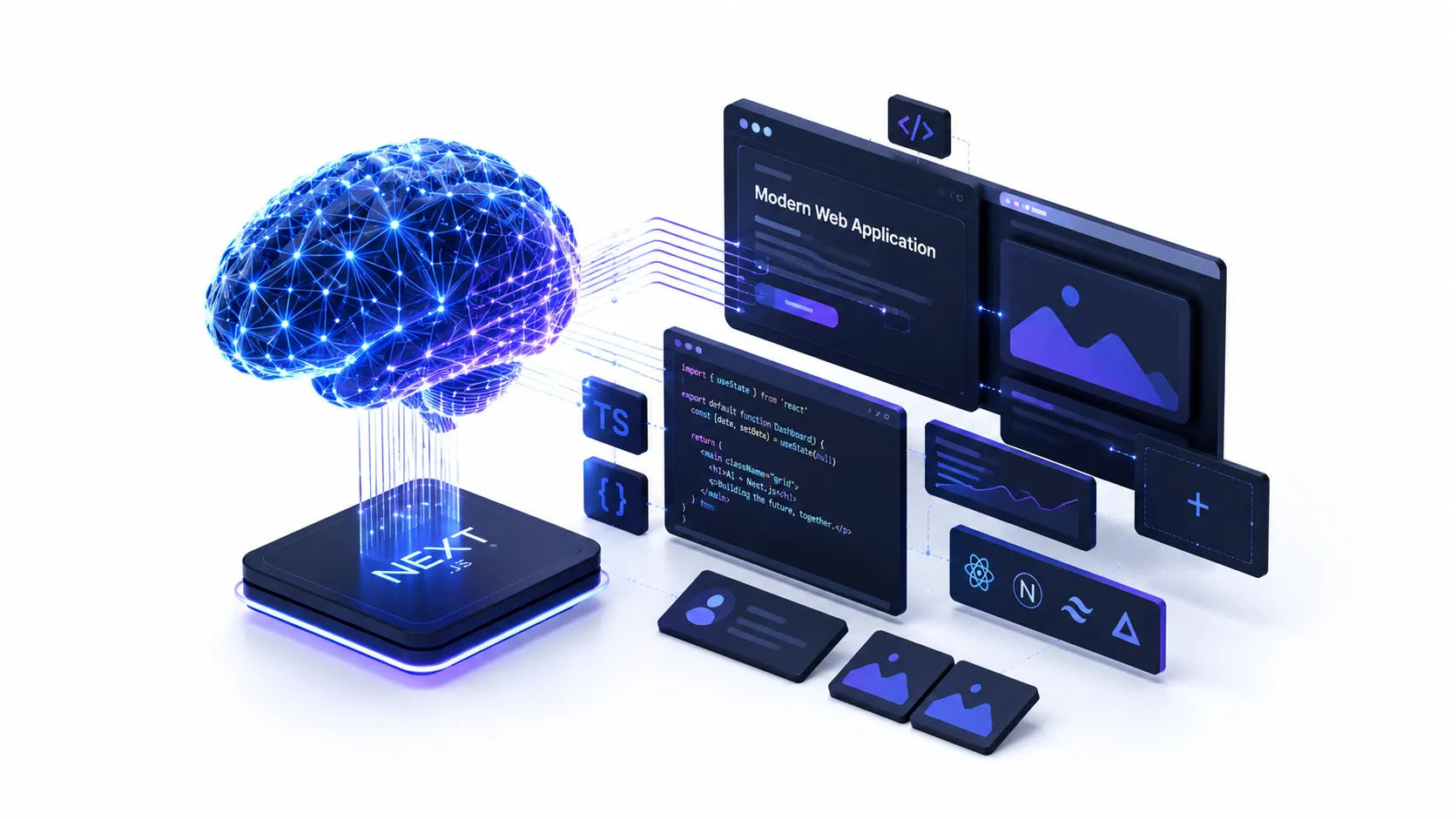
It is 2026, and the dream of the "zero-code" or "1-click developer" has seemingly come true. You open your terminal, fire up your favorite terminal coding agent, type a single line of intent, and watch in awe as hundreds of lines of structured Next.js code layout themselves perfectly before your eyes. It feels like magic. It feels like pure efficiency.
But walk into the engineering department of any scaling tech company right now, and you will detect an underlying current of anxiety.
We are quietly falling into The Blind AI Dependency Trap. While AI tools are incredible at eliminating boilerplate fatigue, they are creating a new generation of software engineers who are structurally detached from their own codebases. We are pasting solutions we do not fully comprehend, into architectures we are starting to lose control over.
If we want to build sustainable tech products, we need to talk about the psychology of this trap—and how to keep your human edge as an architect.
1. The Death of the "Why" (The Psychological Shift)
The traditional process of learning software engineering was painful but necessary. You encountered a bug, you spent three hours digging through documentation, analyzing stack traces, and understanding why a specific database connection failed. That friction was where real engineering intuition was born.
Today, when an error pops up, our immediate muscle memory isn't to think—it is to copy the error, throw it into an AI box, and hit enter.
This has led to a psychological phenomenon called Cognitive Offloading. Because the machine provides an instant fix, our brains stop trying to understand the root cause. We fix the bug for the next five minutes, but we compromise our understanding of the system for the next five months. If you don't step back and analyze what the model is generating, you are no longer a developer; you are just a quality assurance manager for an AI's first draft.
To break out of this cycle, engineers must treat AI as a junior partner, not an oracle. Understanding the foundational layers—like the hidden trap of blind AI coding and dependency inspections—is the first step toward reclaiming your technical authority.
2. The NPM Dependency Nightmare
When you ask an AI model to build a complex feature—such as a custom PDF parser or an advanced calendar component—it wants to take the path of least resistance. To give you a working script quickly, it often hallucinates or pulls in third-party NPM packages that you didn't explicitly ask for.
[Your Intent] ──> [AI Agent] ──> Automatically installs 5 hidden packages ──> [Security Risk]
In 2026, this has turned into a massive supply chain security risk. A single unverified package pulled in by an automated script can introduce vulnerabilities, bloated bundle sizes, or malicious code into your production environment.